
Open Now
5-Star Service
Steel Roof Trusses For High-Wind & Cyclonic Regions: Design, Details, Delivery
8 Apr 2022
Building In Windy Country? Here’s How Steel Trusses Keep You In Control
If your project sits in a high-wind or cyclonic zone, steel roof trusses give you control where it matters: predictable spans, consistent geometry and documented connections that pass inspection the first time. Because steel is dimensionally stable and non-combustible, the engineering is clearer, the fixings are explicit, and the on-site install is faster. In this guide we’ll walk through the essentials—wind regions and loads, truss geometry, tie-down and bracing, corrosion and coatings, and how delivery sequencing can shave hours off crane time—so your roof goes up cleanly without surprises.
Understanding Wind Regions, Loads & What They Mean For Your Roof
Before you talk chord sizes or webs, you need the wind context. Wind regions and importance levels govern the uplift and lateral loads your roof must resist. In practice, this affects member sizes, connection design, bracing density and the tie-down path all the way to slab or subfloor. With steel roof trusses, engineers can model the exact geometry and assign capacities and fixings that match your site’s conditions, rather than relying on generic allowances.
Clarity is everything. Your shop drawings should state the wind region and terrain category, show the truss layout and bearing points, and call up the connection schedule (including any special fixings at edges and corners where pressures peak). Because steel members don’t shrink or twist after certification, the numbers on the drawings hold true through to inspection. For approvals and guidance, your CMS can link to the National Construction Code (NCC) via the Australian Building Codes Board, and (where useful) wind region references from reputable sources such as the Bureau of Meteorology.
• Australian Building Codes Board — National Construction Code (NCC)
• Bureau of Meteorology — Tropical cyclones & wind hazard information
Designing Steel Roof Trusses That Stand Up And Install Fast
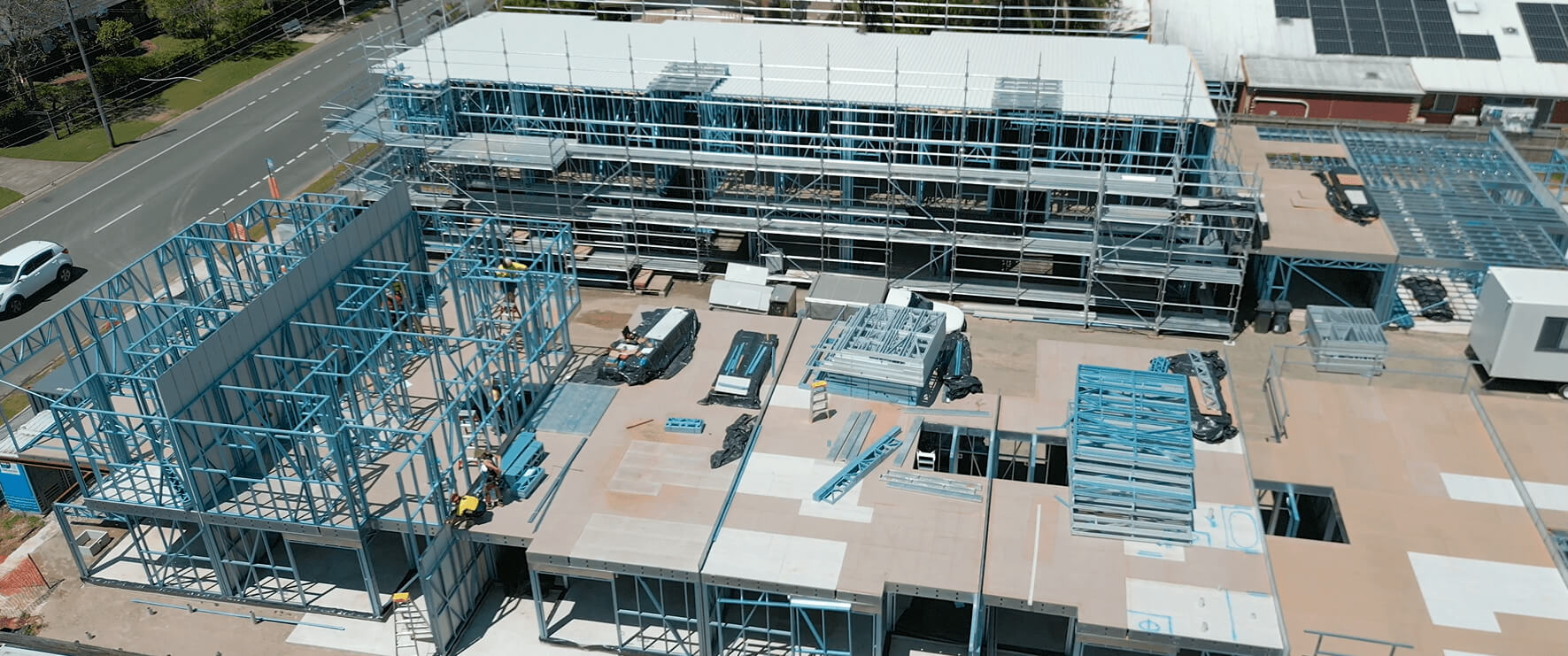
Once wind actions are set, geometry drives performance. Gable, hip and mono forms each distribute loads differently, especially around valleys, ridges and discontinuities. Well-designed steel roof trusses specify the right chord and web configuration for your spans, roofing type and load paths—then document how those members meet battens, purlins and supporting walls or beams.
Good drawings reduce site time. Expect to see: clear truss IDs that match physical labels; bearing locations with reactions; connection notes that reference fixings by type and count; and any special members (girder trusses, valley sets, jacks) where geometry gets complex. For cathedrals or rakes, the drawings should show how ceiling lines are supported without telegraphing movement into plasterboard. When installers can follow the layout without guesswork, crane time drops and you avoid mid-lift head-scratching.
Two practical tips keep builds smooth: first, coordinate openings early (skylights, flues, solar loads) so local stiffening is baked in; second, lock roofing material and battens/purlins before detailing so connection patterns and corrosion systems are correct from day one.
Internal links to add: Steel Roof Trusses • Engineering
Tie-Downs, Bracing & Load Paths: Where Compliance Gets Real
In high-wind and cyclonic areas, success lives in the details. Tie-down schedules translate uplift into specific fixings at each truss support, often with enhanced requirements at corners and perimeters. Bracing plans show how lateral loads move through the roof plane and into walls. With steel, this can be documented with precision: capacity-checked fixings, strap or rod bracing locations, and continuous load paths that inspectors can trace from roof to foundation.
What to fix and where. Each truss support lists the exact fixings, edge distances and any washers or plates.
How the roof bracing works. Diagrams identify bracing members, angles, anchors and any sequencing notes.
How loads leave the roof. Drawings show how tie-down continues through top plates, wall frames and into slab/subfloor with compatible fixings.
Because steel roof trusses hold their shape, you avoid the “close enough” on-site fudges that can creep in with changing timber geometry. Inspectors appreciate labelled trusses that match the layout—every check is faster when IDs, connections and bracing are one-to-one with the drawing set.
Coatings, Corrosion & Coastal Projects: Match The Environment Class
High-wind regions often overlap with coastal exposure, so corrosion strategy matters. Your engineering pack should state the environment class and specify compatible coatings (and any sealing details) for trusses, battens/purlins and fixings. In coastal or industrial atmospheres, upgrading coatings and using matched fasteners avoids galvanic issues and extends service life.
A practical approach: set the environment class during quoting, carry it into detailing and engineering, and keep it visible on the drawings so procurement and installers don’t substitute incompatible components. Include maintenance guidance in the pack; small, routine checks go a long way in harsh environments.
Logistics: Sequenced Packs, Crane Windows & Tight-Site Lifts
Even the best design can be slowed by clumsy logistics. High-wind regions frequently mean regional or remote sites, narrow access or strict crane windows. This is where a manufacturer’s process pays off: trusses labelled to layout IDs, pallets sequenced to the install order, and packing lists that mirror the drawing set. With steel roof trusses, the lighter member weight for a given span helps with manual positioning and trim work once lifted.
Plan for two things: first, timed delivery that aligns with the crane (or the best manual lift window if you’re not craning); second, clear pack weights and dimensions that your site team can review a day ahead. When deliveries are staged by roof zone or building sequence, the crew can lift, fix and move on without re-handling or hunting for parts.
Internal link: Transportation
A Quick Walkthrough: Hip Roof In A Cyclonic Zone
Imagine a single-storey dwelling with a hip roof in a cyclonic wind region. The design targets a specific roofing profile and includes a solar array. During detailing, the truss layout sets bearing points to align with walls and beams; tie-down at corner trusses gets upgraded fixings; and a bracing plan shows strap runs with anchors at nominated supports. The solar loads are included up front, so chord sizes and local stiffening reflect the permanent weight. In engineering, certificates reference the wind region and importance level, with a corrosion system matched to the near-coastal site.
Fabrication labels each truss to its drawing ID and sequences pallets by install order. Delivery is booked for the morning crane slot; the pack list mirrors the layout so the crew can pick, lift and fix without delay. Inspection is straightforward: the certifier checks truss IDs, fixings and bracing against the drawings, and the roof is signed off without rework.
FAQs About Steel Trusses In High-Wind Areas (Quick Answers)
Do steel roof trusses work for cathedral or raked ceilings?
Yes. The geometry and bearing points are detailed so loads transfer cleanly, with local stiffening to prevent plasterboard movement. Drawings will show any special members and connections.
How are solar and mechanical loads handled?
Provide locations and weights during detailing. The truss design can incorporate permanent loads with upgraded chords, webs or local stiffening as needed.
What about mixed materials (steel roof over timber walls)?
Interface details are documented—fixings, plates and tie-down continuations—so the load path remains continuous regardless of wall construction.
Can deliveries be staged for a tight site?
Absolutely. Sequencing by roof zone or building order is common in regional or narrow-access projects, keeping crane time tight and efficient.
Final Thoughts: Make The Roof The Easy Part
In high-wind and cyclonic regions, the roof shouldn’t be where programmes slip. Steel roof trusses give you tight geometry, explicit fixings, clear bracing and a documented load path that certifiers can follow. Add the logistics—labelled trusses, sequenced packs and aligned crane windows—and the install becomes predictable. If you want numbers based on your drawings and wind region, send your plans through and we’ll scope the details, coatings and delivery window so your roof goes up right the first time.
Start with Steel Roof Trusses or request Engineering support to confirm wind actions and tie-downs.